A NEW NORMAL
IN COLLABORATION WITH FINDING INFINITY
Water Treatment Plant Civic Infrastructure
A In a world where we unconsciously acknowledge the resources that are required to remove waste from our environments, water treatment becomes one of the largest pieces of infrastructure that is shrouded from our every day.
90% of Melbourne
is serviced by
2 x sewage plants
located in western and eastern Greater Melbourne
these hold and process 350 billion litres of sewage per year
this equates to
200 x MCGs
264 x Melbourne CBD Hoddle Grids
3,240 x Bunnings Stores
140,000 x Olympic Swimming Pools
160,036 x Boyd Baker Houses
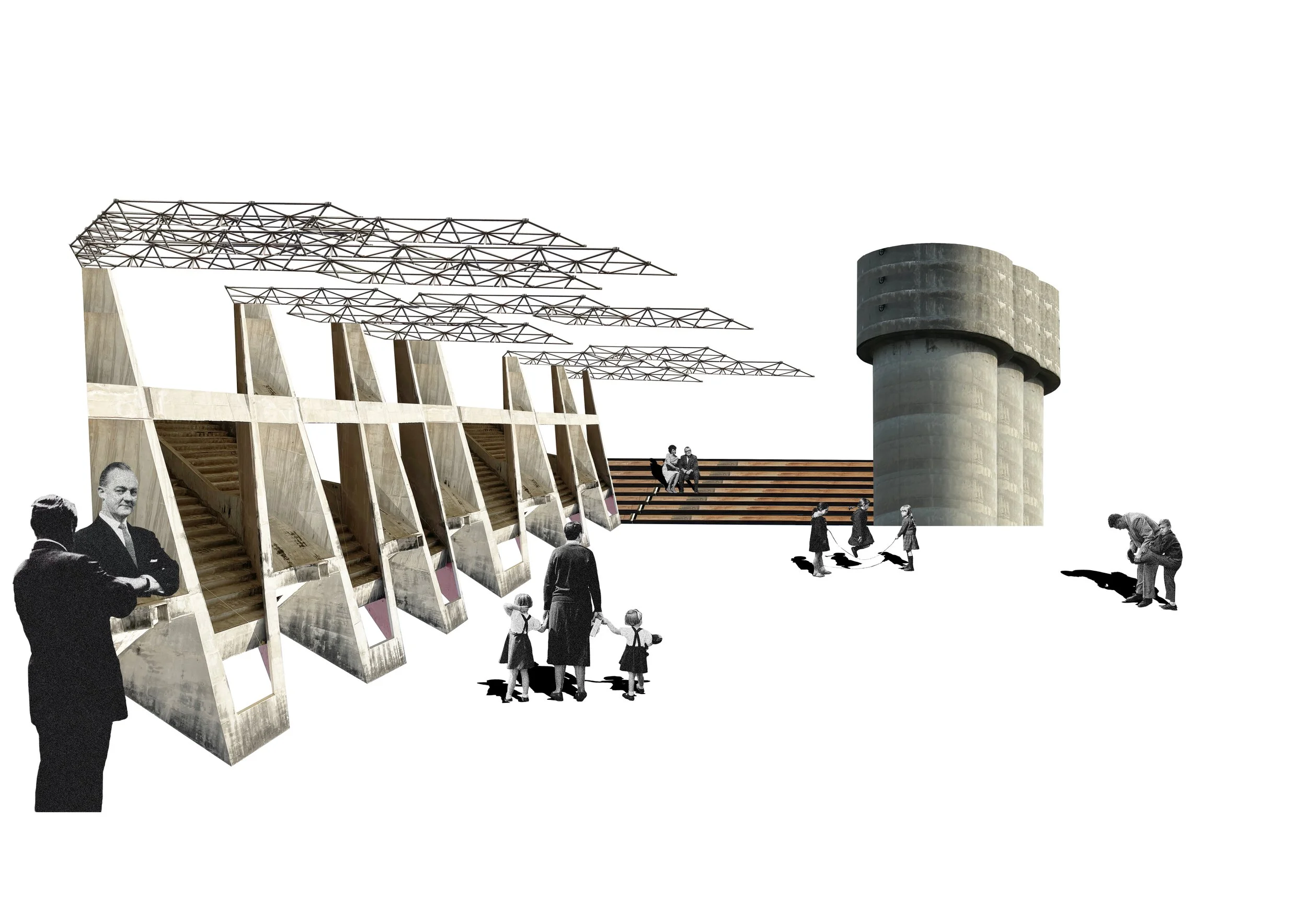
MUIR has looked to the invention of historical fountains as civic expressions of celebration designed to carry clean drinking water while cooling the environments they are contained in. The historic stepwells of India were regarded as fundamental pieces of civic infrastructure. Providing a structure that captured and stored fluctuating water levels while defining spaces of congregation and gathering. Over 3,000 of these structures were built, evenly distributed across the arid parts of the country to provide democratic access to fresh water.
This proposal leans into these precedents and questions the benefits of localising water treatment plants by decentralising and integrating smaller more economic plants into our communities. The project focuses on making the infrastructure visible to bring a greater awareness and understanding of what is required for the servicing of our cities and communities. The water treatment plants would carry a civic presence providing use beyond being utilitarian. Spaces of gathering. Spaces of engagement. Spaces that service the local.
They were utilitarian in nature but defined through an architectural lens. Ornate. Considered.
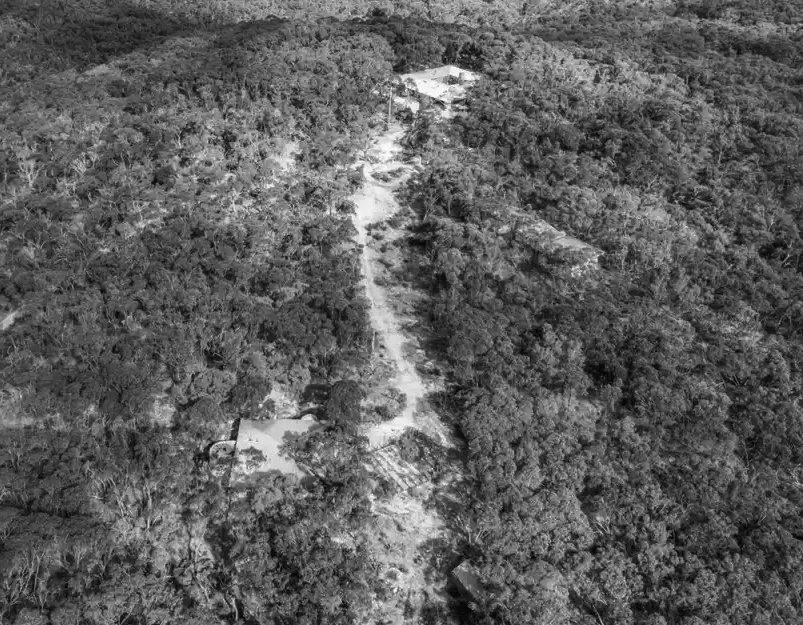
A New Normal 2025 was held at the Boyd Baker House, Long Forest. This unique experience brought together leading architects and creative practitioners from across Australia to showcase a range of projects in motion to help transform our cities. On exhibition, 12 projects with each architect selecting a room across the Robin Boyd / Roy Grounds compound.
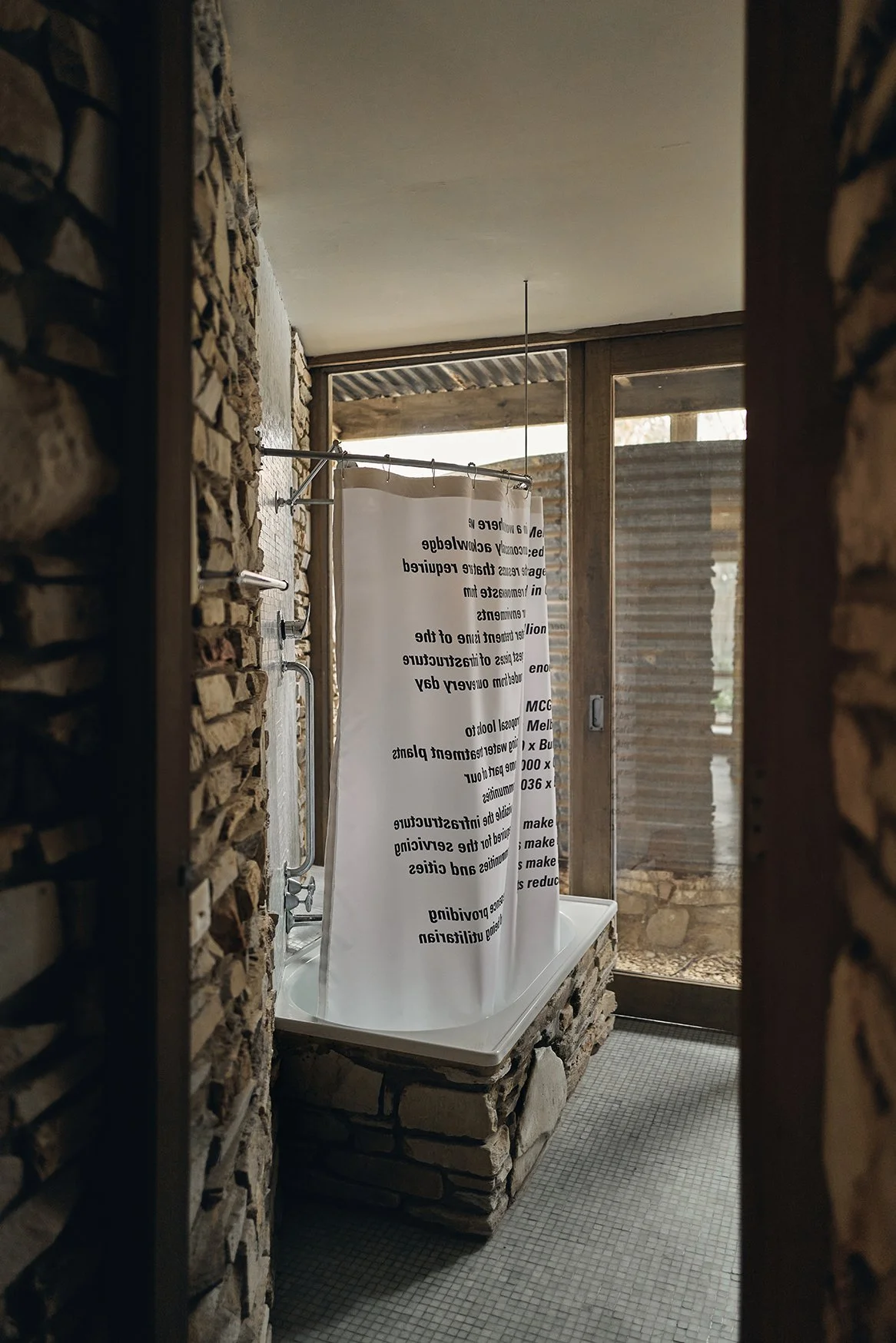
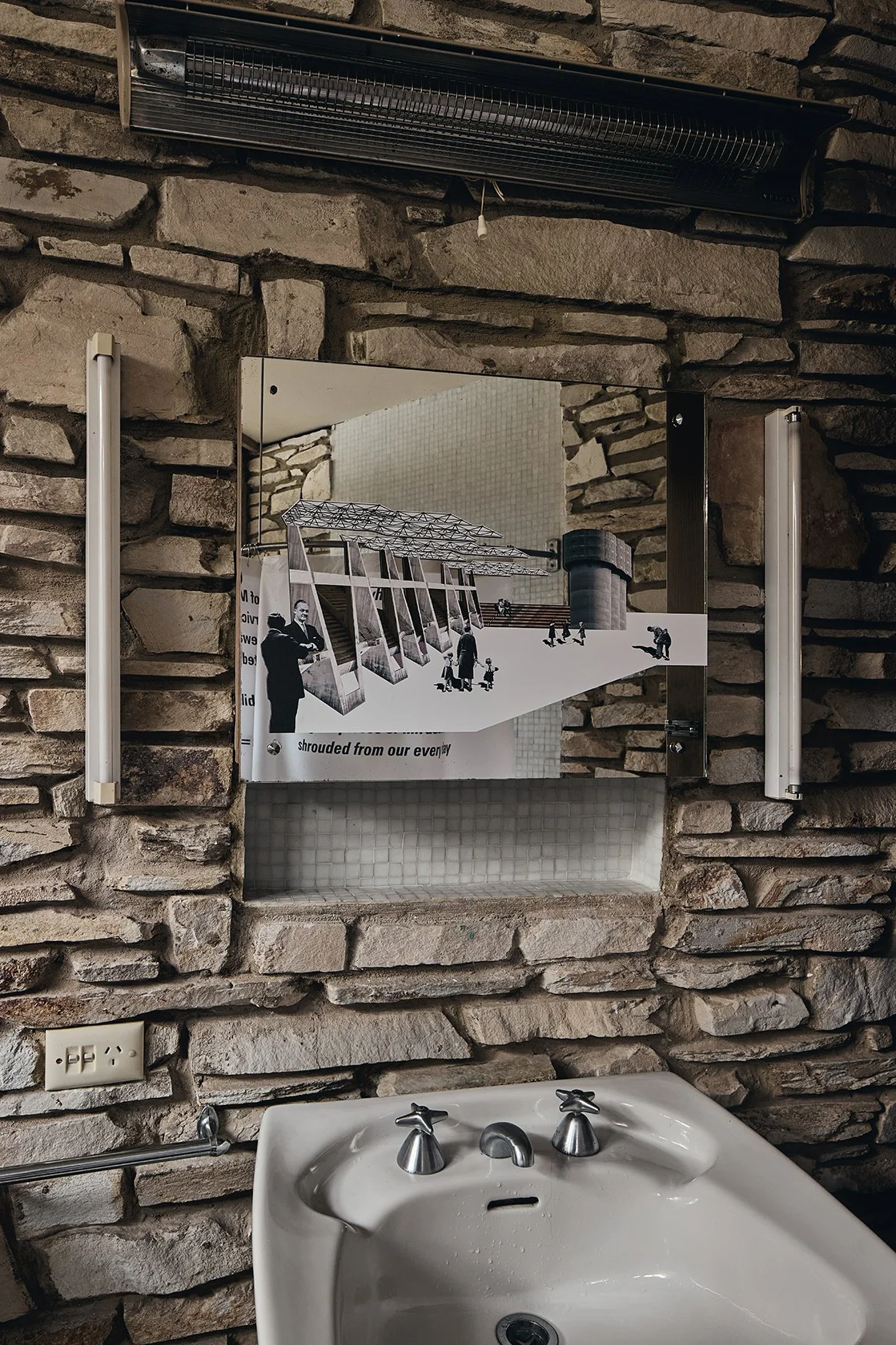
MUIR’s exhibit as part of Melbourne Design Week, was located in the bathroom of the Baker Dower House. This space celebrates and formally embraces the house’s water tank. A shower curtain advocates for a future system that decentralises and localises. This is demonstrated by a passage of text only read from within the shower or via the mirror that sits above the basin. Statistics hang as a series of figures forcing guests to shift focus even during the mundanity of daily ritual.
Photography by Peter Bennetts